Storm Drains, Curbs and What Blows In From the Street
The edge of a property is where the street's debris arrives, and it is also where drains can quietly clog.
October 17, 2026 · 4 min read
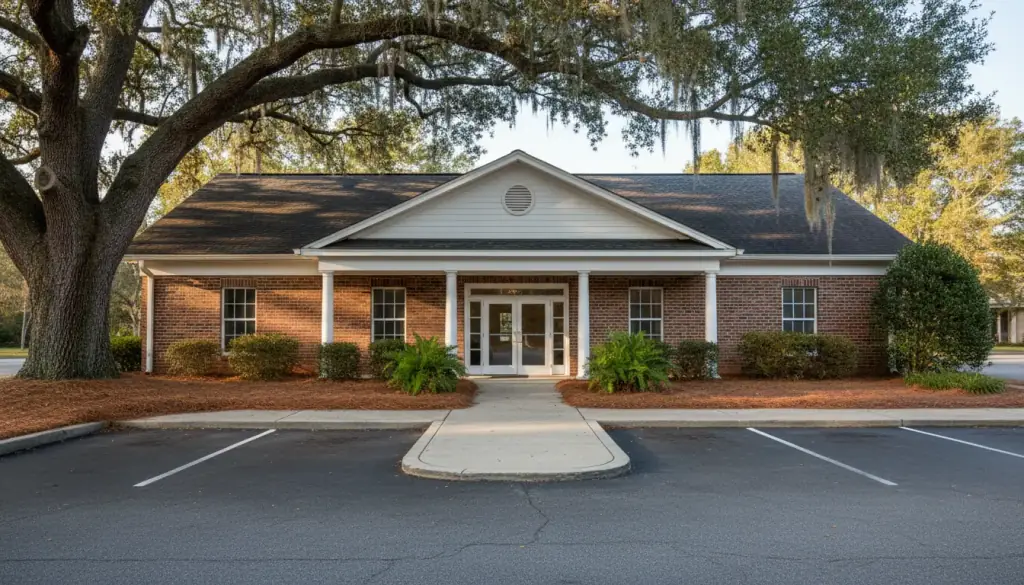
Storm drains are the part of a property most people only think about when water stands where it should not. Yet they are also where the street and the lot meet, and they collect a good deal of what moves along both. Understanding what ends up at a drain, a curb or a gutter line helps you spot problems before the next heavy rain does it for you.
Why curbs collect so much
A curb is a long, low wall, and anything that blows or rolls along the pavement will stop against it. Water runs along the curb line as well, carrying light items with it until they snag on a grate or settle in a low spot. Over time the curb line becomes a ribbon of trash, sand, leaves and cigarette butts, and the edge between the lot and the street is where it shows most.
Sand and fine grit gather here too. They build up in a layer along the gutter, hold moisture, and give weeds a place to root. A curb that has grown a thin green line of weeds has usually been holding debris for a while, and that line is a useful clue even from a distance.
What blows in off the street
A property does not only deal with its own litter. Traffic passing on the road drops, throws and stirs up material, and the wind brings some of it onto the lot. Frontage along a busy road collects the most, and corner lots get it from two directions. Takeout bags, bottles, plastic fragments and paper end up against the frontage fence or in the first planting bed, even if nobody on the property dropped any of it.
This is why a lot can look untidy shortly after it was cleared. The litter did not come from the people using the space. It arrived from outside, and the only fix is to keep clearing it. Seeing that clearly saves a lot of frustration, and it explains why a single big cleanup rarely holds for long on a lot that fronts a busy street.
Storm drains and the trouble with clogs
A storm drain works only while water can reach it and pass through. Leaves, plastic bags, bottles, cups and silt can cover a grate or pack the opening beneath it. In Savannah, where live oaks drop leaves and Spanish moss comes down in storms, a grate can be blanketed quickly. When a heavy summer storm arrives and the grate is covered, water has nowhere to go and can back up across the pavement.
A clear grate is simple to describe. You can see the openings, and nothing is wedged in them. A blocked one has a flat mat of leaves and plastic across the top, or a ring of silt around the edge. Checking drains before stormy weather is cheap compared with dealing with standing water at an entrance, in a parking space or against a door.
A short check for curbs and drains
You can look over the edge of a property in a few minutes. These are the things worth looking for:
- A mat of leaves, bags or paper lying across any drain grate.
- Silt or sand packed along the gutter line, especially where it forms a ridge.
- Weeds growing out of the curb joint, which signal debris that has sat a while.
- Bottles and cups lodged against the curb face, below the line of sight from a car.
- Standing water that lingers after rain, a sign that something is blocking the flow.
Be careful around grates and curb inlets that sit near traffic, and never reach into a drain opening by hand. Pick up what is lying on the surface, and leave anything that needs more than that for someone equipped to handle it.
Keeping the edge from filling back up
The edge of a property refills quickly, so one big cleanup is rarely the end of it. What keeps it presentable is a rhythm of short checks, with a heavier sweep after storms and busy weekends. Properties that treat the curb line as part of the site, rather than as someone else's problem, tend to look sharper from the road.
Pay attention to the order of work too. Clear the large items first, then the small litter, then the leaves and silt that sit under and between them. Doing it the other way around means walking over trash you could not see, and it leaves the heavier material behind. Finishing with a look along the full length of the curb confirms that nothing was skipped.
When the edge of a property has gotten ahead of the people looking after it, a fresh start helps more than a patch. Property Treated Properly is a Savannah company focused on litter cleanup, trash removal and exterior property maintenance. If you would like help getting a curb line and frontage back to clear, call 912-225-4576.
Property Treated Properly, 912-225-4576
Call 912-225-4576More articles
Where Litter Collects on a Commercial Lot, and Why It Keeps Coming Back
Wind, foot traffic and idling cars move trash in predictable ways, which means you can predict where to look.
What a Bin Pad Tells Visitors Before They Walk In
Visitors may never go near the dumpster, but they still read the property by what they can see of it.